weightloss tips . importance tipsNo diet mixtures/ Namkeen, instead go for Desi Roasted ChanaNo food with Preservatives.No sugar no sugar substitutes. Can have Jaggery (Gur) instead.Avoid Heavy Meals especially during the night.Maintain your Daily eating ScheduleEat preferably Home cooked food.Take time to eat, it takes 20 minutes to pass the message to your brain that you are full.Chew your food slowly, sit in a calm peaceful place to eat.Always listen to your stomach, stop eating when you feel that you are about to full.There should be 2 to 2.5-hour gap in between the meals. More gap shuts down the metabolism fire and body start storing fats instead of burning it.Take water half an hour before the meal and not with meals and at least half hour after meals.Take plenty of water (10-15 glasses) Daily water intake: 3-4 lit.Restrict the consumption of fried foods like puri, , pakoras, samosas, kachoris, mathri.Eat less salt, processed and preserved foods like Bakery Products.Do not skip meals and divide your daily calories to 5-6 small meals.Restrict alcohol and Smoking.No Fasting & Feasting.Do Regular Exercise/ Yoga/ PranayamTake at least 7-hour sleep and short afternoon nap.Don't keep “Unhealthy Food” at home.Daily Oil Allowance:15 ml Mustard oil, Soyabean oil, Rice Bran oil. Change your Oil in every 2 Months, Avoid Desi Ghee/ butter/cream/Mayonnaise/Malai😄😄😄include diet..Wheat Flour2 kg Whole Wheat Flour1 kg Jowar Flour2 kg Whole Chana FlourDry roast Flax Seeds-5g/dayAdd Oats Bran in Equal proportion.Instant Healthy snacks which can be kept handy.Almonds 4-5 onlyRoasted MakhanaCracked WheatPuffed Rice/ MurmuraSoups(Homemade)Apple/PapayaButtermilk(Lassi)Green tea/ Lemon tea/Coconut WaterEarly Morning1 Glass luke Warm Water+ Cinnamon Followed by Fruit (Any)Physical WorkoutAt least 30 Minutes of Physical WorkoutBreakfastMilk-200ml Wholegrain Wheat Bread sandwich-2/Rawa Dosa/ Vegetable Uttapam-1 Vegetable Oats/Dalia/Poha/Upma/Idli-1 bowl Oil-1 Tsp(5 ml)-(Mustard/Rice Bran oil)Mid-MorningCoconut Water/ Lemon Water 7-8 Soaked Almonds/1-2 WalnutsSalad (½ Hr Before Lunch)Green Salad/Mix Salad/SproutsLunch1 Bowl Brown Rice or Parboiled Rice /2 Chapati 1 bowl seasonal Vegetable-100g 1 bowl pulse-30g dry wt. Yogurt/ Curd/Raita(Low Fat Curd)-75 gms Oil-1 tsp/5mlPost Lunch1 cup Green CoffeeEveningIdli Dhokla/ Olive Oil Sauteed Nuts and Veg Chaat/ Veg Roll/ Veg Pizza with Thyme and /or oregano/ Veg Grilled Sandwich/ whole Wheat Veg Pasta/ Veg Vermicelli/ Sauteed Veg Idli/ Besan Cheela with paneer Stuffing/Veg Poha/ Bhel with Makhana/ Peanuts/ Murmure/ Cornflakes & Vegetables & lemon/ Moong Soups- Carrots/ Tomato/ Veg/ Beans/Carrots/ Parsley/ Spinach)/Lentil /DalDinnerSalad-1 Big plate 1 bowl Vegetable Khichdi/ Dalia/ Brown Rice-1 bowl Seasonal vegetables-100g Pulse-30 gms (Dry Weight) Oil-1 tsp/5ml(Sunflower/Soyabean/ Groundnut Oil) Post Dinner1 Cup Green Coffee..

Popular posts from this blog

Microcytic anemia; ➡️ Microcytic anemia, characterized by small red blood cells and low levels of circulating hemoglobin, is the last stage of a long period of iron deficiency. ➡️The main causes of irondeficiency anemia are heavy blood loss,inadequate iron intake or absorption, orincreased iron needs due to pregnancy,infancy, or adolescence. ➡️First, the storage forms of iron in the form of ferritin and hemosiderin are depleted. ➡️ Second, the amount of iron supplied to the bone marrowis not sufficient to produce healthy bloodcells. ➡️Those that are produced are small and low in hemoglobin. ➡️This eventually results inanemia.

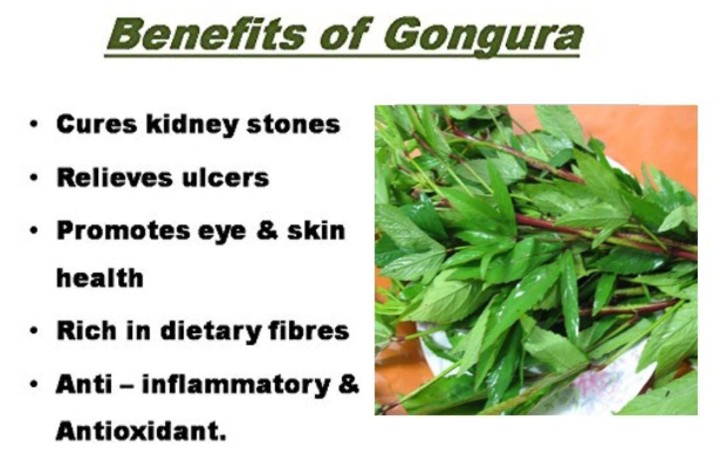
Gongura Health Benefits And Nutrition FactsGonguraGongura is a leafy vegetable that is mainly grown for medicinal purposes. It is an annual perennial woody based shrub that grows upto 1 meter. The leaves of the gongura have tart to sour flavor that can be incorporated into many dishes. It mainly comes in two categories, they are green stemmed and red stemmed gongura leaves. The plant gongura is native to Africa and India. But is most frequently used in the southern parts of India. Gongura is also known as sorrel leaves which is used for making large varieties of dishes like pachadi, pickle, chicken and pachadi to add to our dishes. It is an excellent source of vitamin A, vitamin B1, vitamin B2, calcium, potassium, phosphorus, magnesium, iron and vitamin B9. The carbohydrate, protein and fiber are the major components to benefit our health. The leaves of the gongura contain essential organic compounds like flavonoids, anthocyanins and polyphenolic acids.

Kidney stones (also called renal calculi, nephrolithiasis or urolithiasis) are hard deposits made of minerals and salts that form inside your kidneys.Diet, excess body weight, some medical conditions, and certain supplements and medications are among the many causes of kidney stones. Kidney stones can affect any part of your urinary tract — from your kidneys to your bladder. Often, stones form when the urine becomes concentrated, allowing minerals to crystallize and stick together..SymptomsKidney stones Enlarge imageA kidney stone usually will not cause symptoms until it moves around within the kidney or passes into one of the ureters. The ureters are the tubes that connect the kidneys and bladder.If a kidney stone becomes lodged in the ureters, it may block the flow of urine and cause the kidney to swell and the ureter to spasm, which can be very painful. At that point, you may experience these symptoms:Severe, sharp pain in the side and back, below the ribsPain that radiates to the lower abdomen and groinPain that comes in waves and fluctuates in intensityPain or burning sensation while urinatingOther signs and symptoms may include:Pink, red or brown urineCloudy or foul-smelling urineA persistent need to urinate, urinating more often than usual or urinating in small amountsNausea and vomitingFever and chills if an infection is presentPain caused by a kidney stone may change — for instance, shifting to a different location or increasing in intensity — as the stone moves through your urinary tract.your family has had kidney stones, you're more likely to develop stones, too. If you've already had one or more kidney stones, you're at increased risk of developing another.Dehydration. Not drinking enough water each day can increase your risk of kidney stones. People who live in warm, dry climates and those who sweat a lot may be at higher risk than others.Certain diets. Eating a diet that's high in protein, sodium (salt) and sugar may increase your risk of some types of kidney stones. This is especially true with a high-sodium diet. Too much salt in your diet increases the amount of calcium your kidneys must filter and significantly increases your risk of kidney stones.Obesity. High body mass index (BMI), large waist size and weight gain have been linked to an increased risk of kidney stones.Digestive diseases and surgery. Gastric bypass surgery, inflammatory bowel disease or chronic diarrhea can cause changes in the digestive process that affect your absorption of calcium and water, increasing the amounts of stone-forming substances in your urine.Other medical conditions such as renal tubular acidosis, cystinuria, hyperparathyroidism and repeated urinary tract infections also can increase your risk of kidney stones.Certain supplements and medications, such as vitamin C, dietary supplements, laxatives (when used excessively), calcium-based antacids, and certain medications used to treat migraines or depression, can increase your risk of kidney stones.Avoid processed and fast foods, canned soups and vegetables, and lunch meats. Look for foods labeled: sodium free, salt free, very low sodium, low sodium, reduced or less sodium, light in sodium, no salt added, unsalted, and lightly salted.